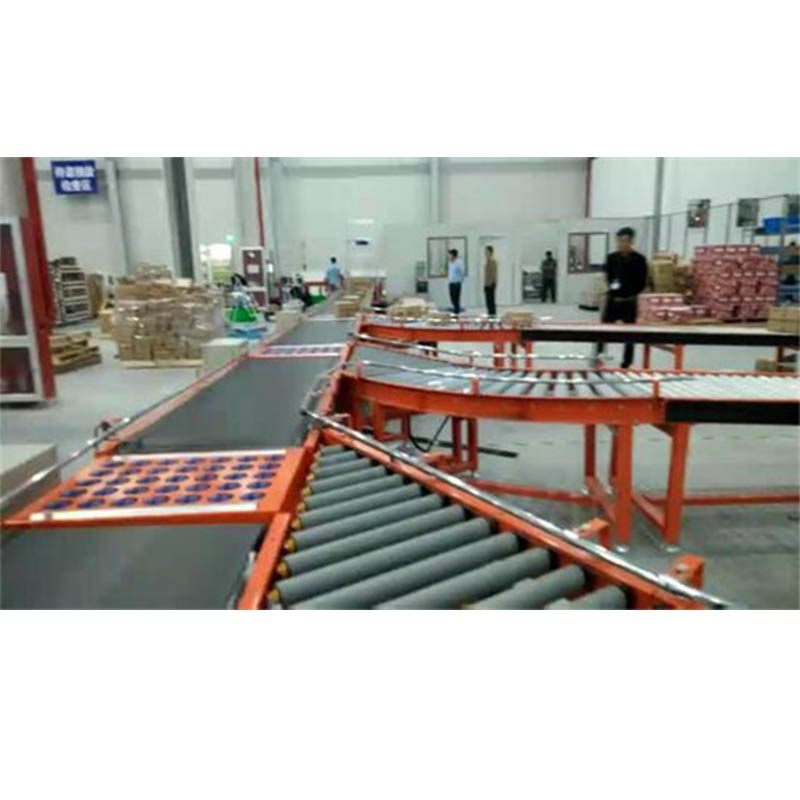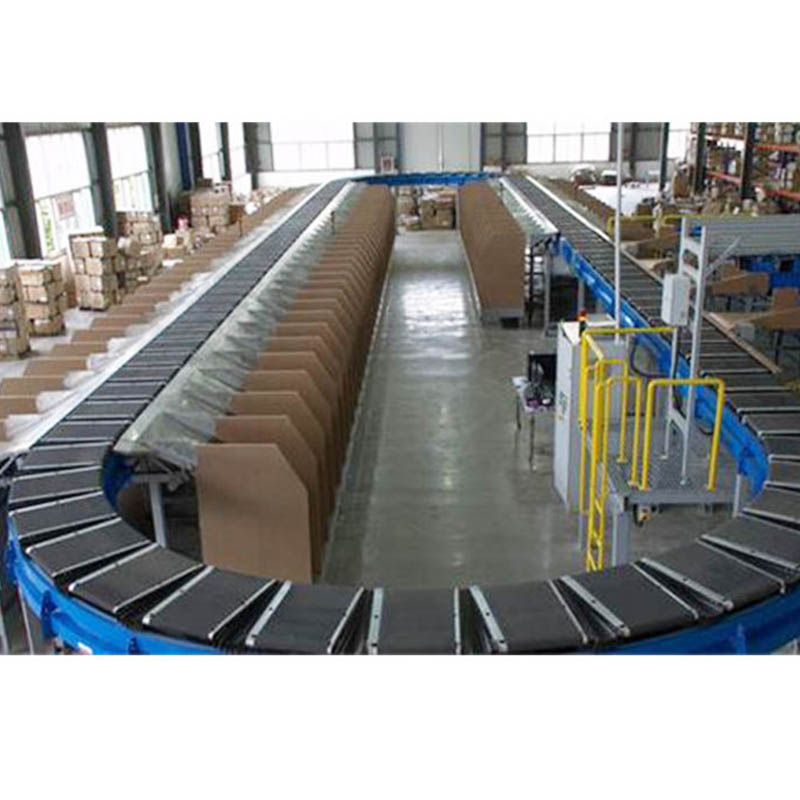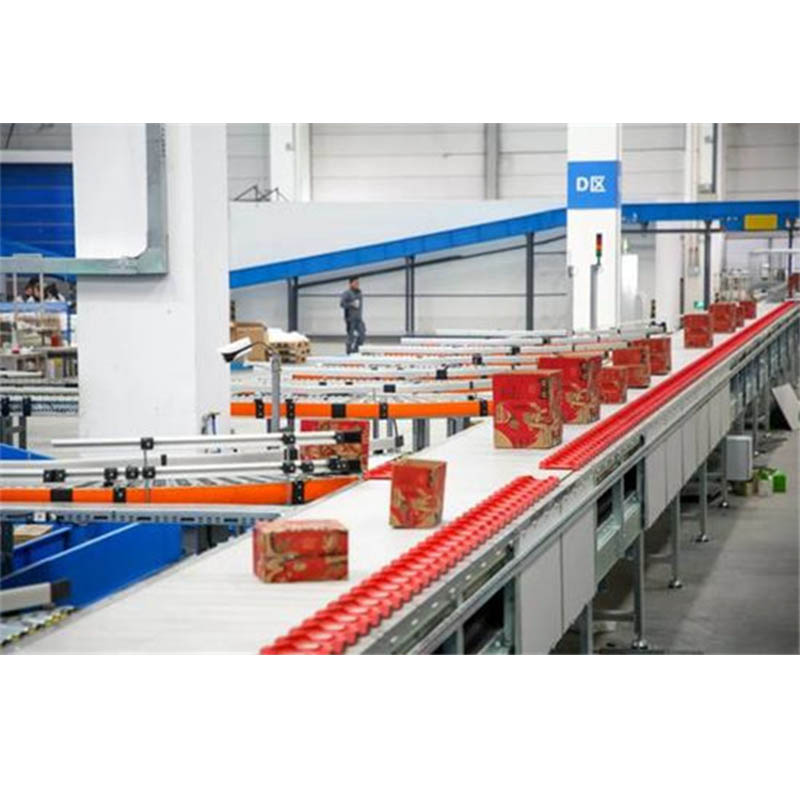

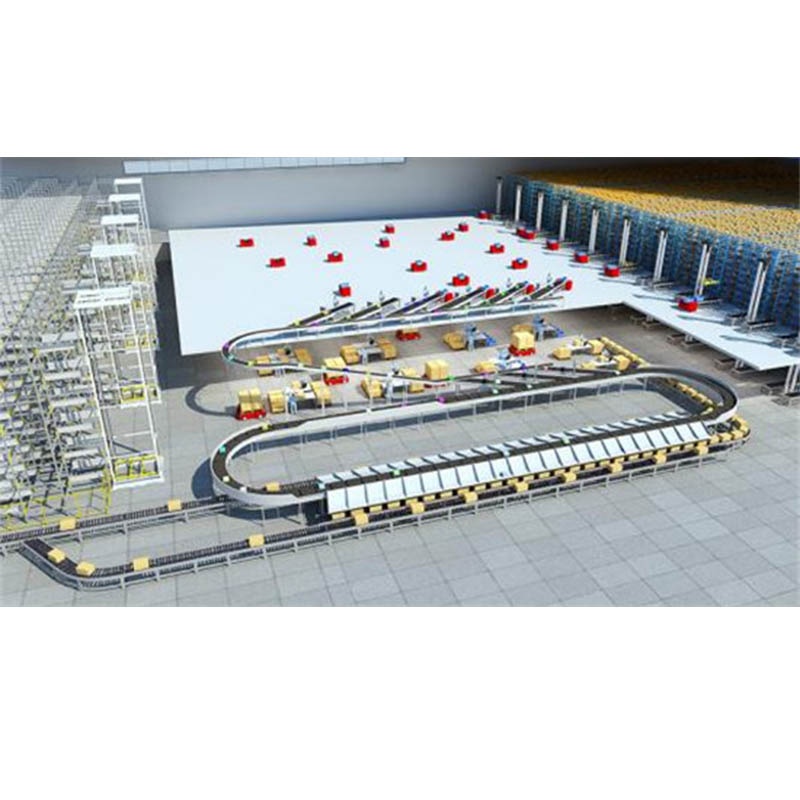
Intelligent logistics sorting lines typically employ a distributed control architecture, which reduces the risk of single-point failures through parallel processing of multiple nodes.
The modern logistics landscape is defined by a relentless pursuit of speed and precision, driven by the exponential growth of e-commerce and the consumer demand for rapid delivery. At the heart of this operational complexity lies the intelligent logistics
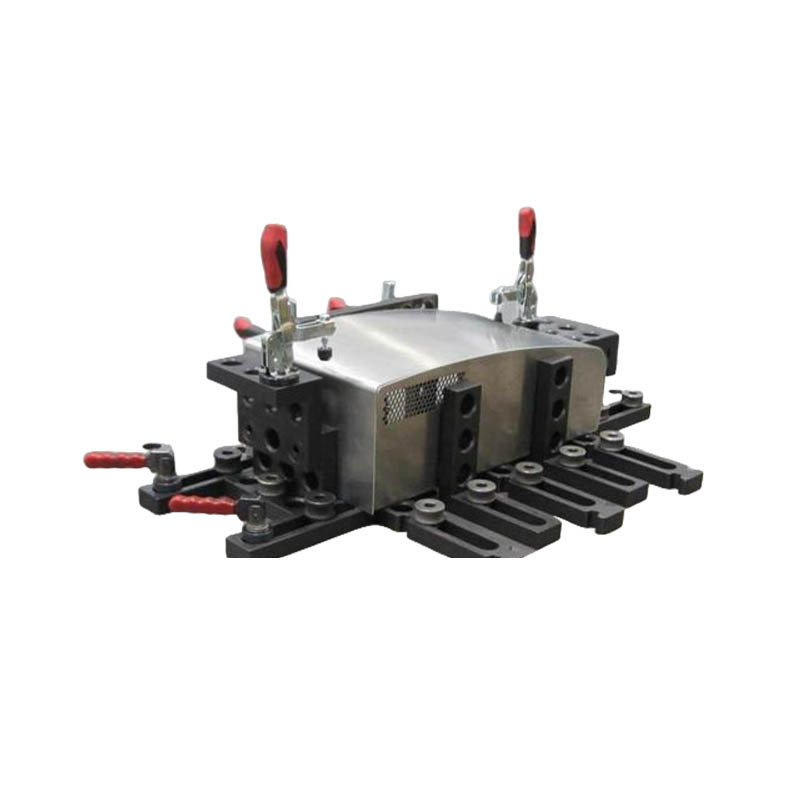
In precision manufacturing and mass production, the positioning datum design of fixtures directly affects the dimensional accuracy and consistency of the product.
As a crucial component of modern warehousing and distribution systems, the adaptability of an intelligent logistics sorting line to handling multi-category, multi-specification goods is a key criterion for evaluating the system's sophistication.
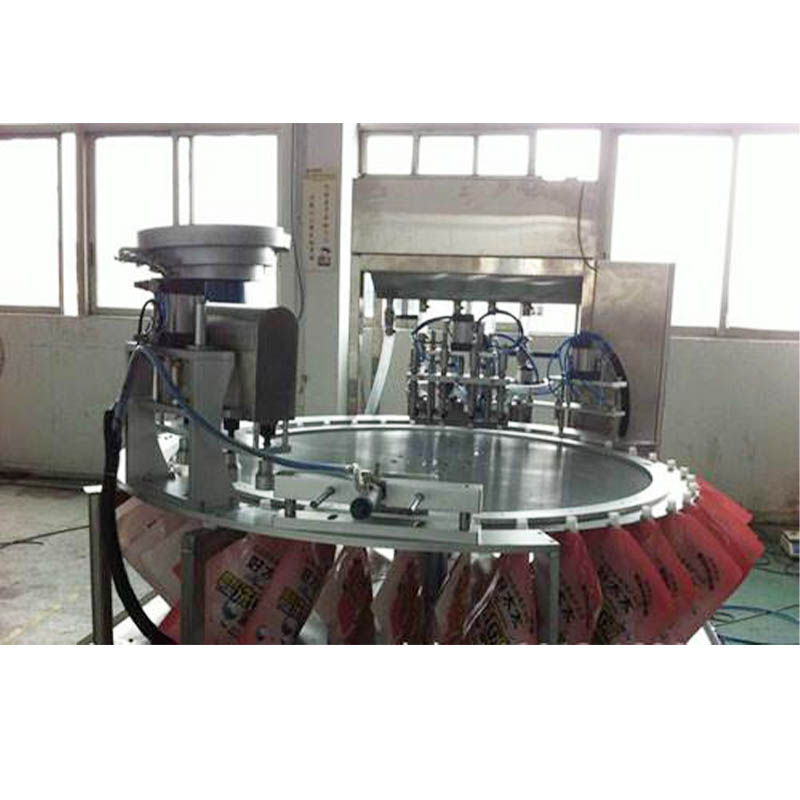
After being placed in the filling machine, it undergoes detailed testing of key aspects such as capping, liquid level, and coding.
Intelligent logistics sorting production lines, through the combination of automated equipment and information technology, achieve continuous, large-volume sorting of goods, significantly improving logistics processing capacity while reducing labor costs.