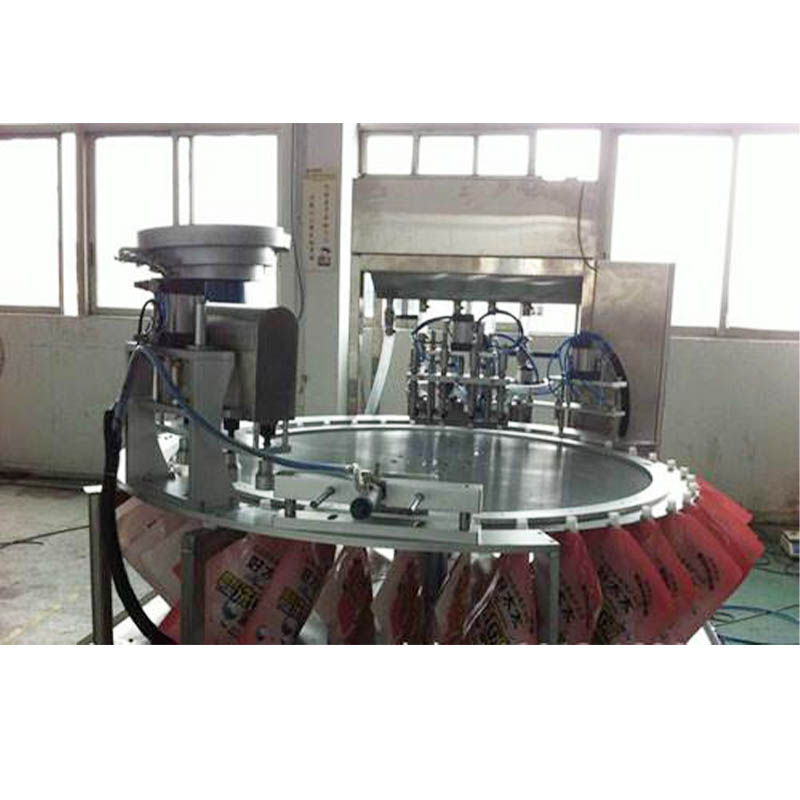

Automated filling machines, with their multi-detection and automatic rejection systems, are becoming core equipment in demanding scenarios such as pharmaceuticals, health products, and medical devices.
Logistics warehouses typically have complex factors such as changes in lighting, dust accumulation, and electromagnetic interference, which may affect the accuracy of sensors or the stability of mechanical structures.
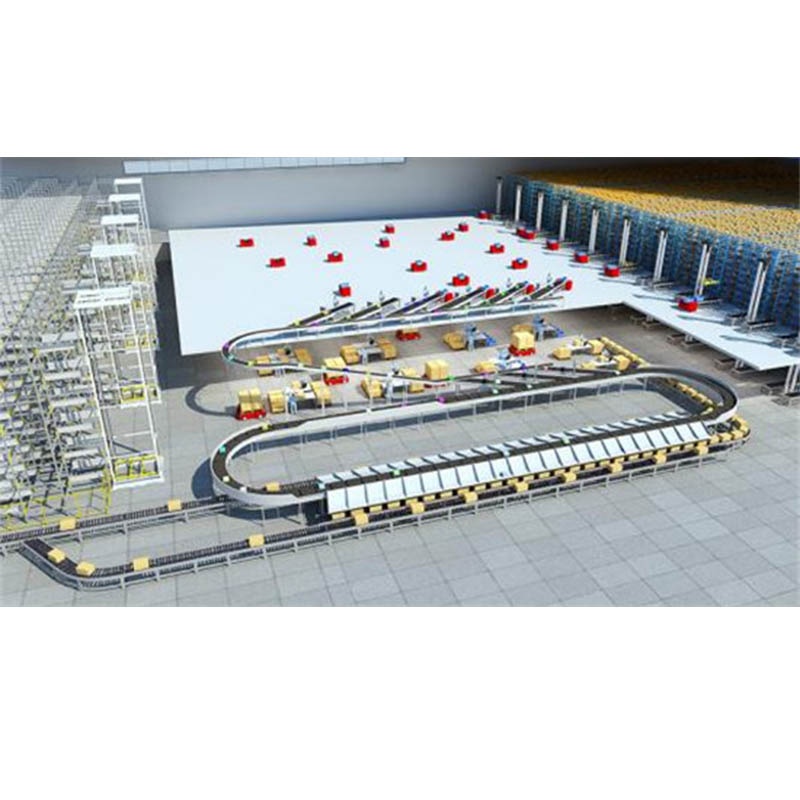
In the initial stage of system debugging, digital twin technology enables the virtual deployment of the intelligent logistics sorting line through high-precision modeling.
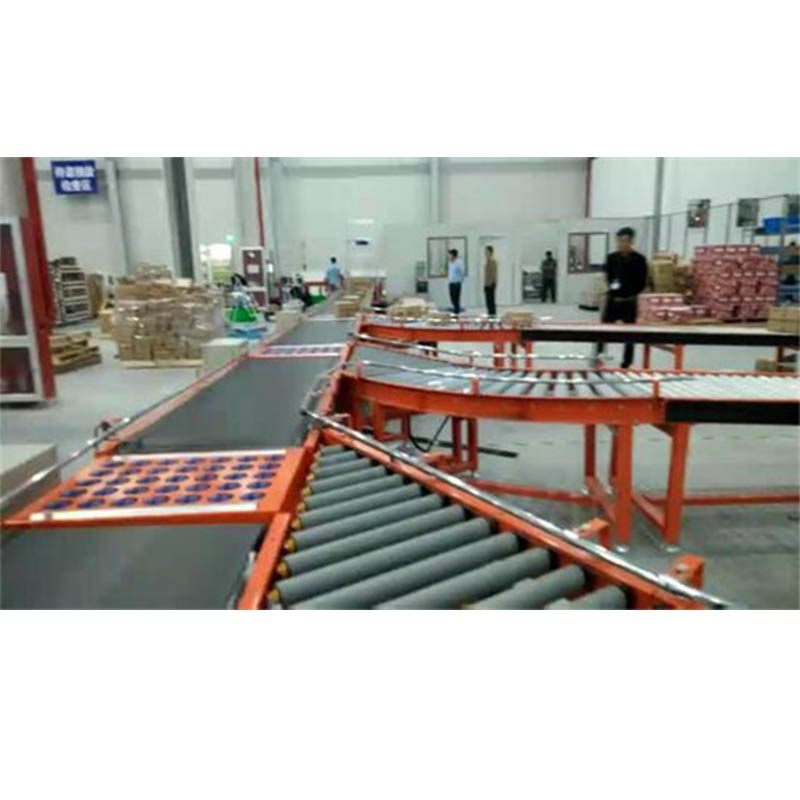
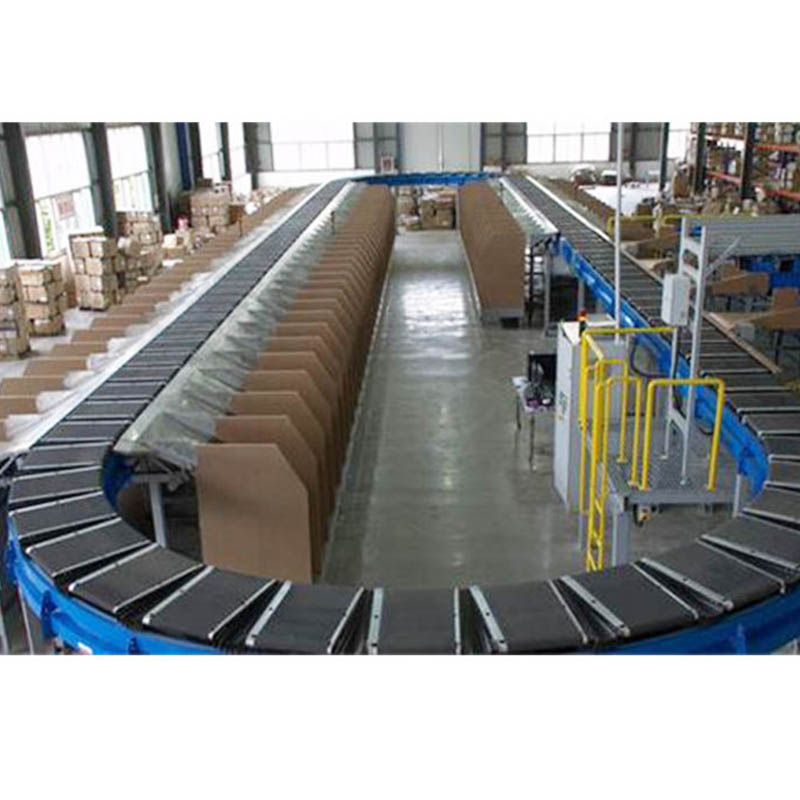
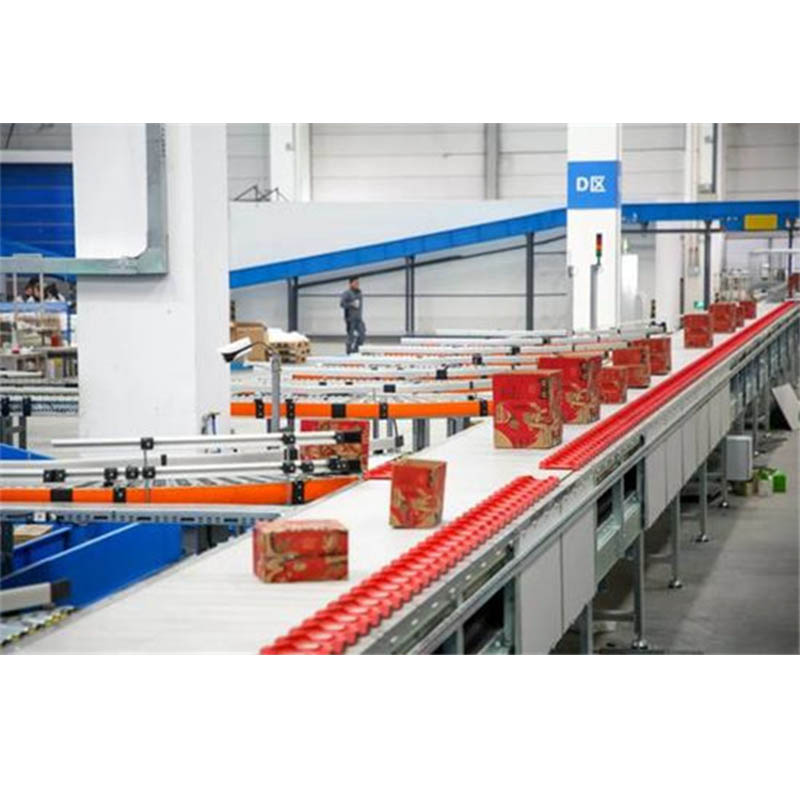
As a core hub, the intelligent logistics sorting line must maintain highly efficient operation—"no congestion, no errors, no damage"—under the extremely high throughput pressure of tens of thousands of packages per hour.
Against the backdrop of explosive growth in e-commerce and ever-increasing demands for supply chain efficiency, intelligent logistics sorting production lines have become the core infrastructure of modern distribution centers.
With the rapid development of e-commerce, consumers have increasingly higher demands for the speed and accuracy of express delivery services. To meet this challenge, logistics companies are turning to intelligent logistics sorting lines to improve process